














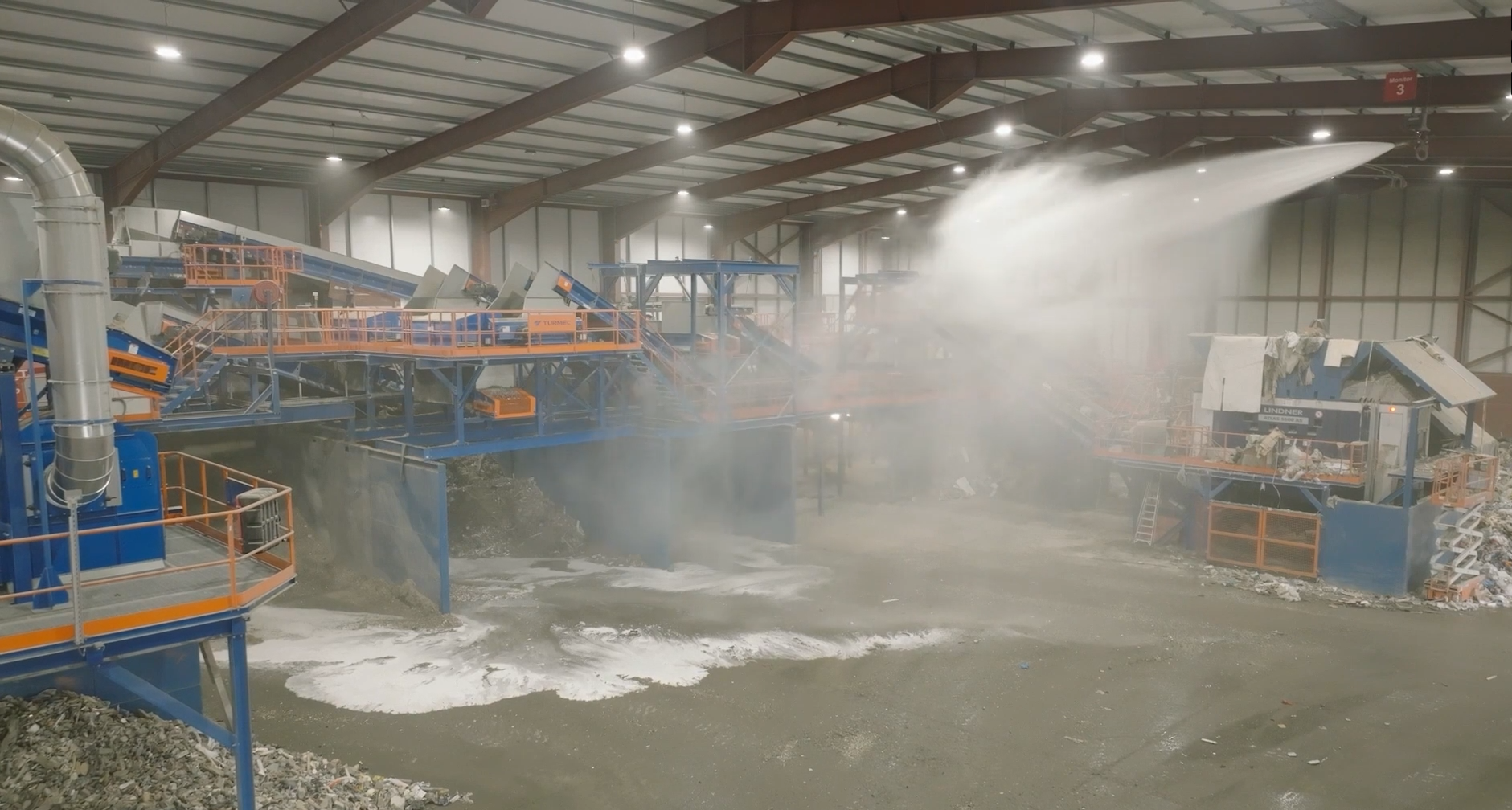


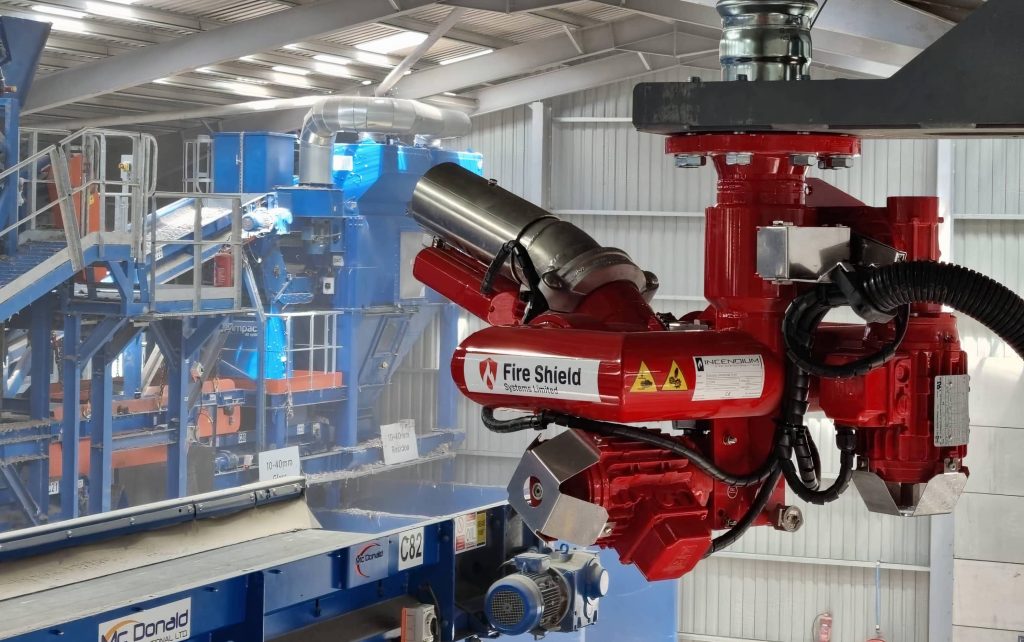


Setting the Standard
Setting The Standard For Fire Protection Systems: Contact Us Today!
For information about our wood processing systems click here. To find out how we can help you get in touch today or call us on 0800 975 5767.
The Issue
Mitigating Complex Thermal & Combustible Dust Threats in Wood Plants
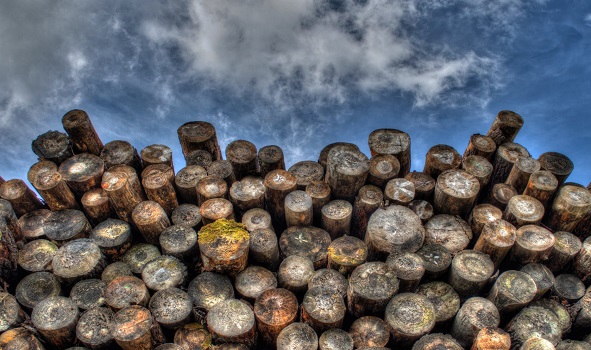
A multitude of fire risks can be found in the wood processing environment. The very nature of a site, which handles flammable materials on a daily basis, is one which could lead to catastrophe if the correct fire safety precautions are not in place.
Wood processing involves complex processes to do with crushing drying, gluing, sorting, sawing and milling wood. These processes are commonly serviced by automatic and pneumatic machines, sometimes also responsible for transporting wood to different areas of the plant.
Automated machinery operates at high production speeds, consistently, and for long hours, sometimes 24 hours per day. It is very likelyThe temperature of machine engines can rise, machine engines will heat up, and in this hot environment, the chance of combustion is elevated. Closely connected processing areas mean that once a fire starts, it canwill spread easily and quickly.
With large vehicles responsible for delivering and picking up materials, as well as transporting materials around the site, the threat of engines overheating is amplified.
Wood processing sites also present an often overlooked fire hazard and explosion threat: combustible dust. Dust suspended in the air, in a certain density, under particular circumstances, has the potential to combust or explode. The force from a dust explosion is capable of high levels of damage from injuries and death to the destruction of equipment and even entire buildings.
Our Solution
Precision Ember & Heat Detection for Moving Conveyor Lines
Early fire detection is essential to control and minimise the risk of damage and the spread of fire. But in a busy, loud and hot workspace, identifying the slightest environmental changes indicative of a fire requires absolute precision and attention to detail.
Selecting the right fire detection system could mean heading off a fire before the point of combustion without ever having to deal with damage control. Fire detection features such as ember detection, which is suited to detecting fires on moving production lines, are capable of picking up low levels of heat which flame detection systems may overlook.
In a plant where material is being moved quickly on automatic machinery, it may be difficult to pinpoint the exact location of a breakout of fire; this could become even more problematic when a spark or flame is being moved along a conveyor, for example, coming into contact with other materials.
Resources
Find the right
protection system
Every operation has different demands. Our free guide walks you through the essentials of fire detection and suppression, helping you make the right choice for your facility.


get a quote
Request a Quote
Speak to our fire protection specialists about your requirements.
"*" indicates required fields