



















get a quote
Request a Quote
Speak to our fire protection specialists about your requirements.
"*" indicates required fields
Our Solutions
Other Product Recommendations
FAQ
Everything you need to know
For any further information, please see our list of fire detection systems frequently asked questions in our collapsable menu below:
What is an aerosol fire suppression system and how does it work?
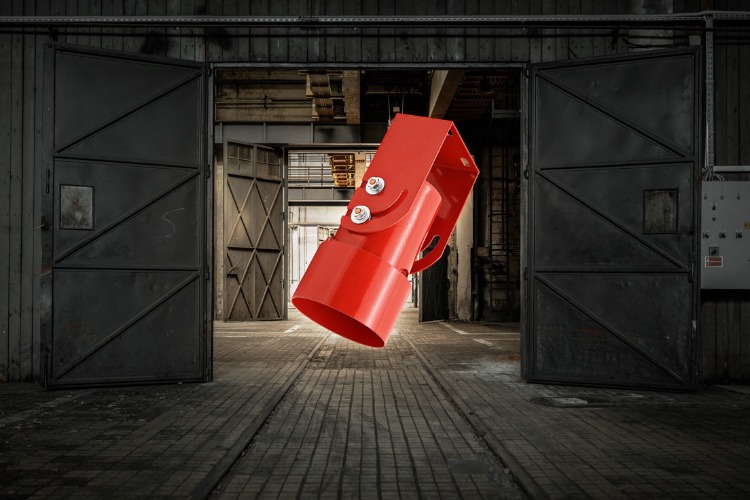
Aerosol systems use a solid-chemical “generator” mounted in the hazard area. When triggered by heat or smoke detection, the solid compound undergoes an exothermic reaction and releases billions of fine aerosol particles. These particles interrupt the fire’s chemical chain reaction by neutralising free radicals and absorbing heat. The result is rapid extinguishing without using water or compressed gas.
Is an aerosol system safe for people and electronics?
Yes. The aerosol agent is non-toxic and non-corrosive, so it doesn’t harm occupants (though evacuation during discharge is standard) and is safe for most electrical equipment. Unlike CO₂, it does not reduce oxygen levels. The fine residue (potassium salt) settles without acidification, so sensitive gear is usually unharmed (ventilate or clean up dust afterward).
What fires and applications are aerosol systems suitable for?
Aerosol works on common fire classes A, B, C, E and F (wood, liquids, electrical, grease). It is especially effective for electrical fires (switchgear, control panels, EV battery packs) because it suppresses thermal runaway and remains suspended to prevent re-ignition. Typical uses include server rooms, generators, automotive machinery, and confined equipment where space is tight and fast knockdown is needed. It’s generally <i>not</i> used for metal fires (Class D).
What installations require an aerosol fire suppression system?
Aerosol units are ideal where a compact, sealed or semi-sealed enclosure exists: e.g. engine rooms, CNC machine enclosures, electrical cabinets, warehouses, or labs. Because the aerosol floods the entire space, you do not need perfect airtightness – even “leaky” rooms work. Unlike gas systems, no annual room integrity testing or vent ducts are required. Install units near the fire risk and detectors at high points for quickest response.
How is an aerosol system activated?
Most systems use automatic detection: heat/temperature sensors or smoke detectors trigger the aerosol generator. A typical design uses a “double-knock” (smoke <i>and</i> heat) to avoid false alarms. Generators then activate via an electrical signal (or a thermal link/fuse in smaller units). Some systems also allow manual release from a control panel. No pressurised gas or bulky valves are needed; the solid generator simply ignites internally on command.
Resources
Find the right
protection system
Every operation has different demands. Our free guide walks you through the essentials of fire detection and suppression, helping you make the right choice for your facility.


